Now being built
A reference for the bar, not a ratings app.
Backbar began as a concept and is now being built into a real product. It asks one question: how does a bar team turn the bottles it already pours into something worth saying to a guest?
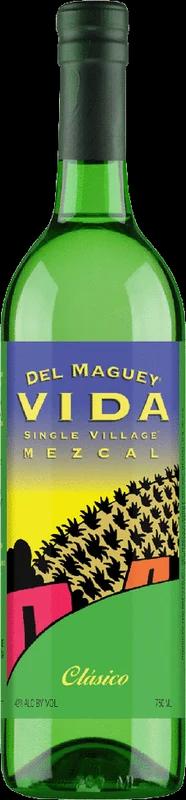
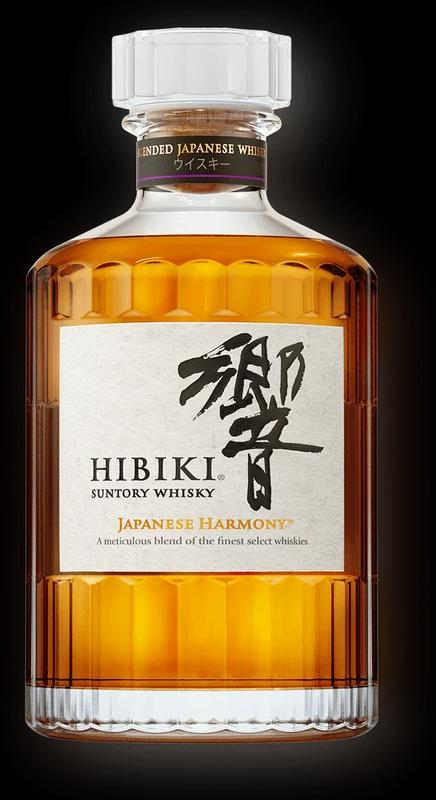
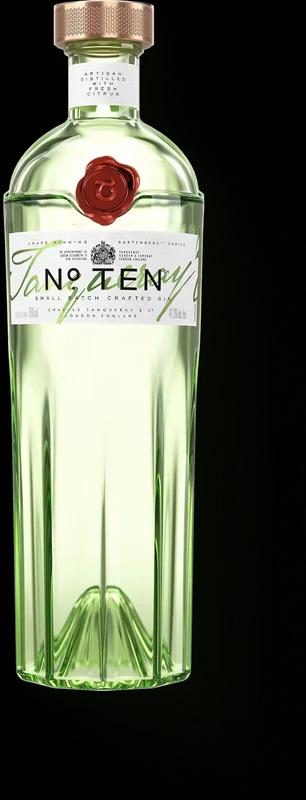
The gap
The label gives facts. The guest wants a reason to order. Staff have to close that gap in the few seconds they get at the well.
The approach
Scan or search a bottle, read up to three sourced lines for a guest, then practice with a short drill built only from the venue’s own back bar.
What you can try
Camera and typed barcode lookup, a searchable library, spirit category pages, a personal shelf, English and Spanish, and a solo pre-shift drill. The web app works on phones and desktop; the Expo app carries the same catalog and drill.
The design: a lit back bar
Every bottle stands in amber light on deep green glass, the way a good back bar looks at night. Rules become pictures you read at a glance, tasting notes become chips you can say out loud, and motion only answers what you do.
Venue data and personal data stay apart
In the signed-in app, database policies keep house notes and prices inside the venue, and personal shelves belong only to their owner. This demo uses a fictional venue and saves only to your device.
What the evidence is, and isn’t
Bottle facts come from producer pages. Image origins are logged with the catalog. Barcodes come from the North Carolina ABC Commission. Unknown fields stay empty. This is a working demo of a product still being built, not a launched business or an independent tasting review.
Bottle images and trademarks belong to their owners and are used only to identify the products in this independent, educational project. Profile illustration: DiceBear Lorelei (CC0).