Locked reference · 27 CFR 5.143
Bourbon
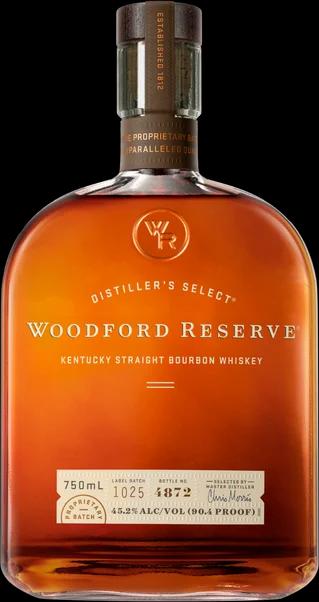
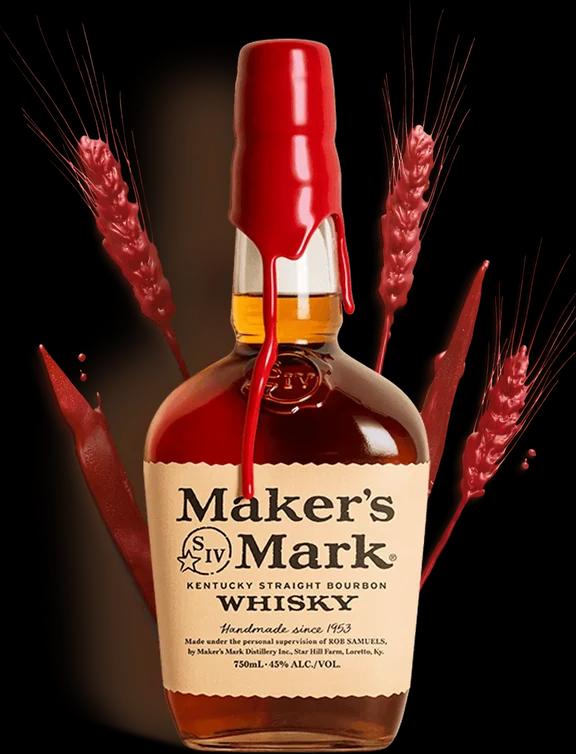
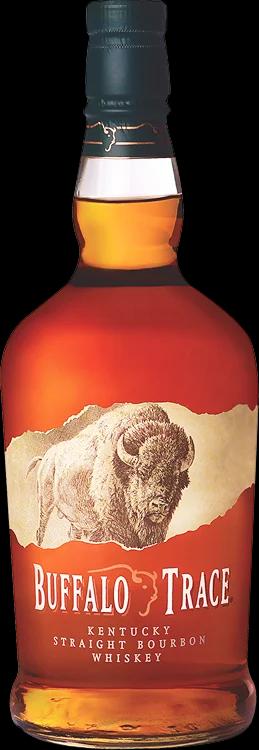
American whiskey made from at least 51% corn, distilled at 160 proof or less and aged in new charred oak barrels, with no coloring, flavoring or blending additives.
Bottled strength
The legal minimum
Time in new charred oak
- BourbonNo minimum aging time
- StraightAt least two years
To be called Bourbon
Defined by 27 CFR 5.143
- The mash must be at least 51% corn.
- It is distilled at 160 proof (80% ABV) or less.
- It is stored in charred new oak barrels, and may enter the barrel at no more than 125 proof (62.5% ABV). Plain bourbon has no minimum aging time.
- No neutral spirits and no coloring, flavoring or blending materials may be added, and it is bottled at 40% ABV (80 proof) or higher.
- "Straight" is an optional further designation: the bourbon must have spent at least 2 years in those charred new oak barrels.
- The word "bourbon" can only be used for whiskey distilled and aged in the United States. A state or region name on the label (for example Kentucky) requires that distillation and any required aging took place there.
Where it can be made
Anywhere in the United States. Kentucky is not required.
How it’s made
Bourbon starts with a fermented grain mash that is at least 51% corn; the rest is the distiller's choice (the producers in this catalog use rye or wheat plus malted barley). The spirit is distilled at 160 proof or less, filled into new charred oak barrels at no more than 125 proof and aged until the distiller is happy with it. Because every barrel is new, the oak is a major ingredient, not just a container.
How to talk about it
Bourbon is defined by its rules, not its address: corn-led mash, new charred oak, nothing added. If a guest assumes it must come from Kentucky, tell them it only has to be American, and that a state name on the label means it was distilled and aged there.
Bourbon in the library
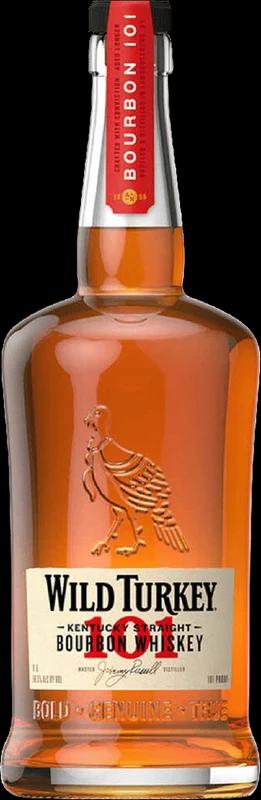
Classics on Bourbon
Sources
Researched November 12, 2026