Locked reference
Rum
A spirit distilled from sugar cane juice, syrup, molasses or other cane by-products, bottled at no less than 40% ABV in the US.
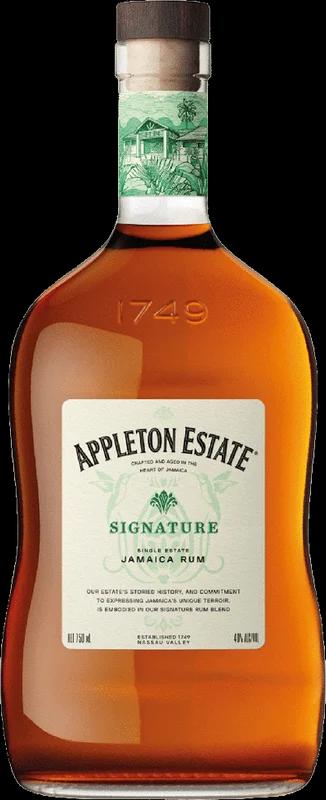
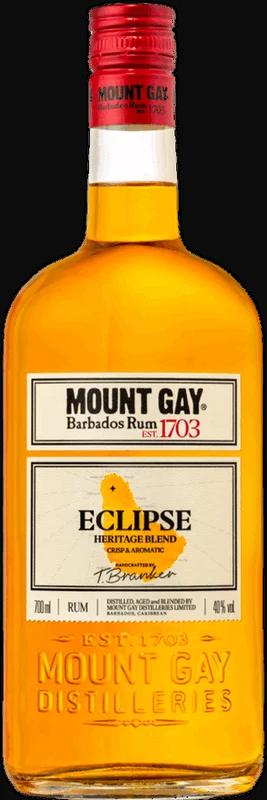
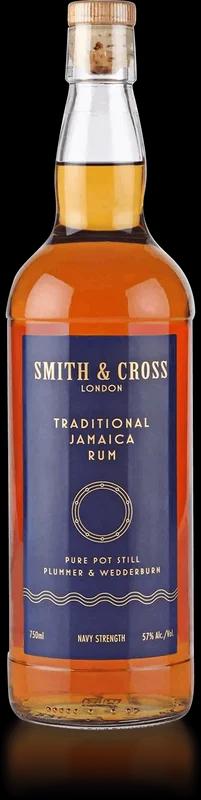
Bottled strength
The legal minimum
To be called Rum
Defined by 27 CFR 5.147 (US) and Regulation (EU) 2019/787, Annex I, category 1
- US: rum is distilled from the fermented juice of sugar cane, cane syrup, cane molasses or other cane by-products, at less than 95% ABV.
- US: it must have the taste, aroma and characteristics generally attributed to rum, and be bottled at not less than 40% ABV (80 proof).
- US: Cachaça is the one recognized type of rum, and must be a distinctive product of Brazil made under Brazilian law.
- EU: rum is made exclusively by distilling fermented cane molasses, cane syrup or cane juice at less than 96% ABV, and must reach at least 37.5% ABV.
- EU: no alcohol may be added and rum may not be flavoured; caramel is allowed only to adjust colour.
- EU: rum may be sweetened to round off the taste, up to 20 grams of sweetening per litre expressed as invert sugar.
Where it can be made
No fixed origin; some places add their own rules (US and EU shown)
How it’s made
Rum begins with sugar cane juice or a cane by-product such as syrup or molasses, which is fermented and then distilled. The still, the fermentation and any time in wood shape the style, and the legal definition leaves all of that open. That is why two bottles of rum can taste nothing alike.
How to talk about it
The legal definition only fixes the cane base and a strength floor, so describe a rum by its still, its age statement and its origin. Those are the facts that actually tell a guest what is in the glass.
Rum in the library
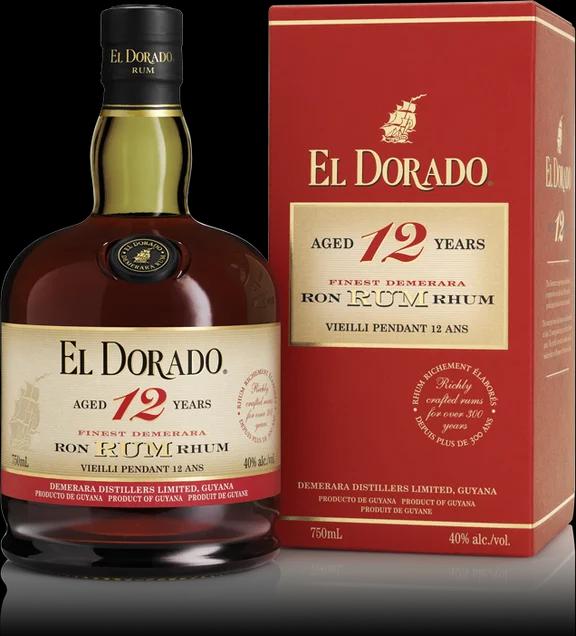
Classics on Rum
Sources
- ecfr.govProducer page: Section 5.147 (opens in a new tab)
- eur-lex.europa.euProducer page: Reg (opens in a new tab)
Researched November 12, 2026