Locked reference · NOM-006-SCFI-2012
Tequila
Mexico's protected agave spirit: distilled from cooked, fermented blue Weber agave inside a defined zone and certified by the CRT.
Bottled strength
The range the law allows
Rest before bottling
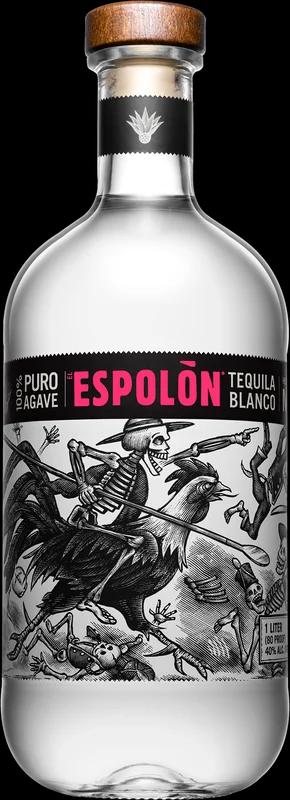
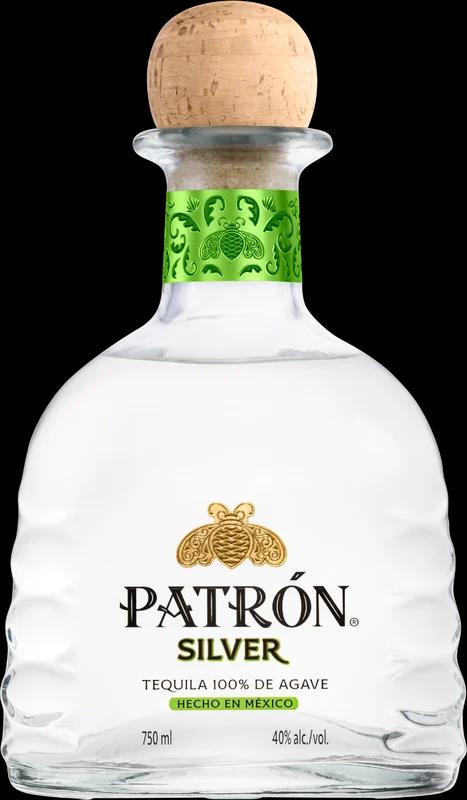
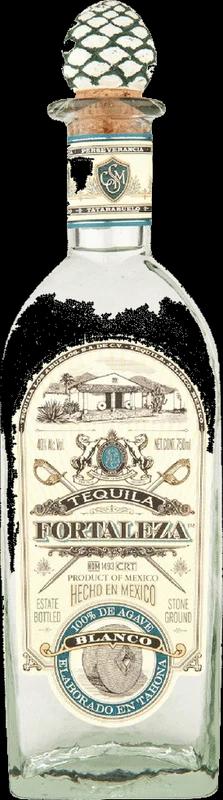
- BlancoUnaged, or under two months
- ReposadoAt least two months in oak
- AñejoAt least one year, 600 L or smaller
- Extra añejoAt least three years, 600 L or smaller
To be called Tequila
Defined by NOM-006-SCFI-2012
- Only the blue variety of Agave tequilana Weber may be used, and the tequila must be made at an authorized producer's facility inside the Denomination of Origin territory.
- Two categories: "100% agave" uses only sugars from blue agave and must be bottled at the authorized producer's own plant in the territory; plain "Tequila" may take up to 49% of its fermentable sugars from non-agave sources (a mixto).
- Classes are set by time in oak or encino: blanco is unaged or rested under two months, reposado at least two months, añejo at least one year in containers of 600 L or less, extra añejo at least three years in containers of 600 L or less.
- Joven or oro is a blend of blanco with aged tequilas, or a blanco softened with the permitted abocado ingredients: caramel color, natural oak extract, glycerin or sugar-based syrup.
- Bottled strength must fall between 35% and 55% ABV, and abocado ingredients may not exceed 1% of the tequila's weight before bottling.
- The label must state the category and class, the ABV, the authorized producer and its official registration (NOM) number, and the lot.
Where it can be made
Jalisco plus designated municipalities in Guanajuato, Michoacán, Nayarit and Tamaulipas (181 municipalities in all)
How it’s made
Mature blue agave is harvested by hand and the piñas are cooked in ovens or autoclaves. The cooked agave is milled (a tahona or roller mill), fermented, and distilled, typically twice in pot or column stills. Blanco goes to bottle after dilution; other classes rest in oak first.
How to talk about it
Frame it as a protected category: ask guests whether they want 100% agave and which class, then point them to the NOM number on the label, which tells you who actually made it.
Tequila in the library
Classics on Tequila
Sources
- dof.gob.mxProducer page: Nota detalle (opens in a new tab)
- crt.org.mxProducer page: Appellation of origin (opens in a new tab)
- crt.org.mxProducer page: About tequila (opens in a new tab)
Researched November 12, 2026